
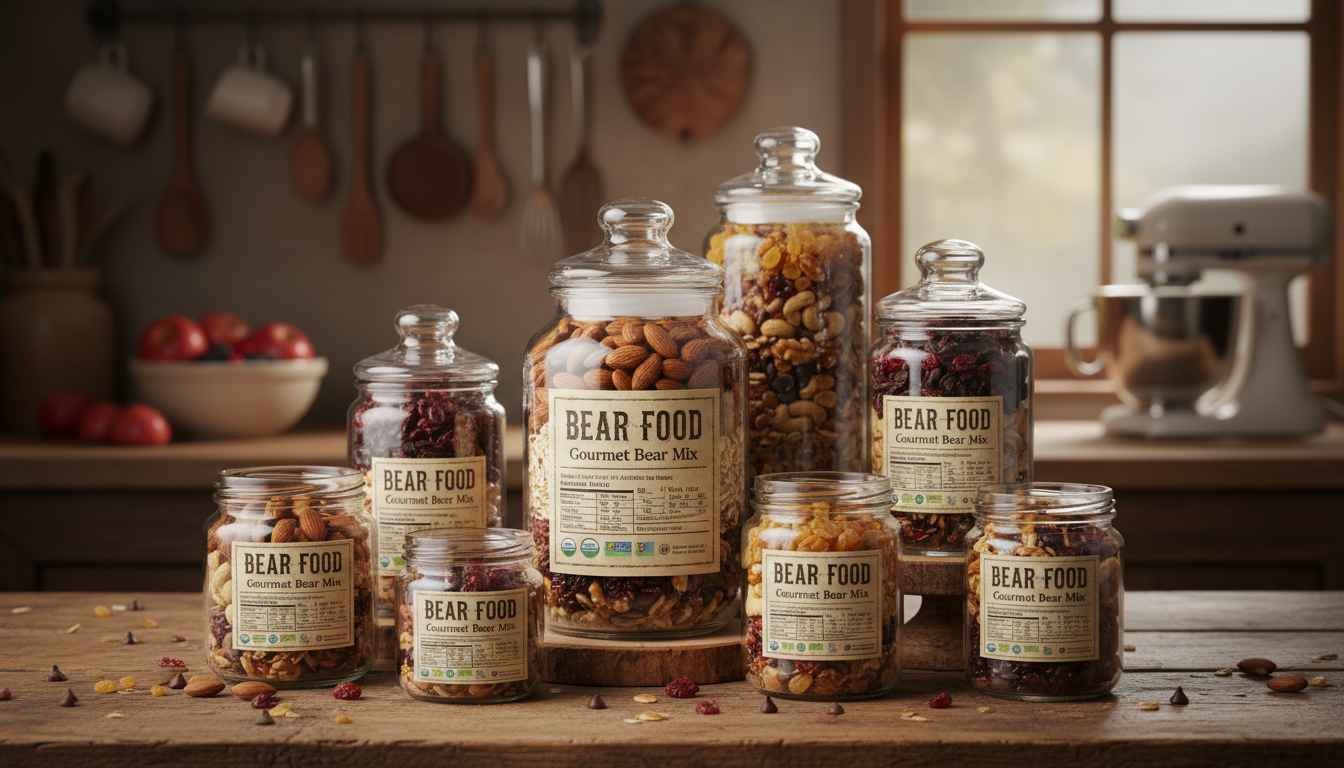
When a small artisanal bakery in Vermont launched its signature bear food gourmet bear mix, it quickly became a regional sensation. Within six months, sales skyrocketed by 250%, and the bakery’s reputation for high-quality, ethically sourced ingredients drew attention from both consumers and industry regulators. This success, however, was not just about taste – it was built on an uncompromising adherence to food safety and legal compliance. For any bakery or retailer looking to enter the niche market of gourmet bear foods, understanding these requirements is non-negotiable.
Bear food gourmet bear mix refers to specialized, nutritionally balanced snack mixes formulated for bears in captivity or rehabilitation settings. These mixes often include nuts, seeds, dried fruits, and fortified grains to support health and enrichment. Unlike general animal feed, gourmet bear mixes carry higher expectations for ingredient quality, sourcing transparency, and compliance with wildlife and food safety regulations.
Ingredient Regulations and Sourcing Requirements
The foundation of a legally compliant bear food gourmet bear mix begins with ingredient sourcing. In the United States, the Food and Drug Administration (FDA) oversees feed products that include dietary supplements for animals. Ingredients must be free from contaminants such as aflatoxins, pesticides, and heavy metals. For example, certain nuts like peanuts require rigorous aflatoxin testing, as even trace levels can harm bears.
High-quality sourcing also involves traceability. Suppliers should provide certificates of analysis and proof of ethical and sustainable harvesting practices. According to Dr. Lisa Hartwell, a wildlife nutritionist at the University of Washington, “Traceability is crucial not only for food safety but also for maintaining trust with regulatory bodies. Each ingredient must be accounted for from source to final packaging.” Retailers sourcing gourmet bear mixes must document all supplier certifications, batch testing results, and ingredient lot numbers to avoid compliance violations.
Formulation and Nutritional Compliance
Nutrition is another cornerstone of compliance. Bears require a balance of carbohydrates, protein, and fat, along with essential vitamins and minerals. The Association of Zoos and Aquariums (AZA) provides guidelines for captive bear nutrition that many commercial gourmet mixes follow. Deviating from these standards can compromise animal health and trigger legal scrutiny.
Formulators must also consider allergen management. Cross-contamination between nuts, seeds, or grains can pose risks. Facilities producing bear food gourmet bear mix should implement rigorous cleaning protocols and batch segregation, aligning with HACCP (Hazard Analysis Critical Control Point) principles. This is especially critical for mixes intended for rehabilitation centers, where animals may be recovering from illness and are more vulnerable to food-borne issues.
Labeling Requirements and Packaging Compliance
Labeling is a common point of regulatory enforcement. Federal law mandates that packaging clearly lists all ingredients, potential allergens, and storage instructions. For bear food gourmet bear mix, labels should also indicate intended use (e.g., enrichment versus primary nutrition) and any fortifications like vitamin or mineral supplements. Mislabeling can result in fines or product recalls, damaging both reputation and revenue.
Packaging must be durable, tamper-evident, and resistant to environmental degradation. Bears are curious and can manipulate packaging if it is not robust, so materials must meet both safety standards and practical functionality. According to Stephanie Moreno, packaging compliance consultant for animal nutrition brands, “Failure to use appropriate packaging can create serious safety hazards. Regulators take this very seriously, especially for products intended for non-domesticated species.”
Distribution and Transport Considerations
Transporting gourmet bear mixes involves strict adherence to wildlife and food safety regulations. Mixes must be shipped in temperature-controlled environments to prevent spoilage. Documentation is critical, including invoices, batch records, and certifications for each shipment. Certain states require permits to transport feed intended for wildlife, even commercially produced mixes.
Retailers and distributors must also understand quarantine requirements for animals receiving the product. Improper distribution can lead to both civil and criminal penalties. Companies entering this niche should implement a logistics system that tracks batches from production to point-of-sale, ensuring compliance with all federal and state guidelines.
Related Reading
How to Safely Store Animal Feed
FDA Guidelines for Nutritional Supplements in Animal Diets
AZA Standards for Captive Wildlife Nutrition
Traceability Systems in Specialty Food Production
Who Should Avoid This?
Bear food gourmet bear mix is not suitable for home pet owners or untrained individuals. These products are formulated for bears under professional care. Feeding improper mixes to domestic animals or untrained wildlife can cause severe nutritional imbalances and health hazards. Additionally, small businesses without robust compliance protocols, traceability systems, or HACCP certification should avoid producing these mixes until they can meet regulatory requirements. The risks of fines, recalls, and reputational damage outweigh potential short-term profits.
Best Practices for Legal Compliance
To ensure full compliance, bakeries and manufacturers should implement the following practices:
1. Maintain detailed supplier and ingredient documentation, including batch testing and certificates of analysis.
2. Follow AZA nutritional guidelines and consult wildlife nutrition experts during formulation.
3. Implement rigorous cleaning, segregation, and allergen management protocols consistent with HACCP standards.
4. Design clear, compliant labeling and tamper-proof packaging suitable for animal handling.
5. Track distribution and transport with full documentation, adhering to state and federal permit requirements.
Businesses that adhere to these best practices not only mitigate legal risks but also build trust with clients, regulatory agencies, and conservation organizations. The growing demand for high-quality bear enrichment products presents a lucrative opportunity for compliant manufacturers who are fearless in maintaining standards. For more insight into gourmet and artisanal animal mixes, see A Little Cake, a source for custom-crafted, legally compliant culinary products.
In conclusion, bear food gourmet bear mix represents a unique intersection of culinary craftsmanship, wildlife nutrition, and regulatory compliance. Success in this niche requires more than just flavor and creativity – it demands rigorous attention to ingredient sourcing, nutritional accuracy, labeling integrity, and transportation protocols. By embracing these standards, bakeries and retailers can achieve both market success and peace of mind, knowing they are providing safe, effective, and legally compliant products for one of the most challenging animal nutrition markets.
