
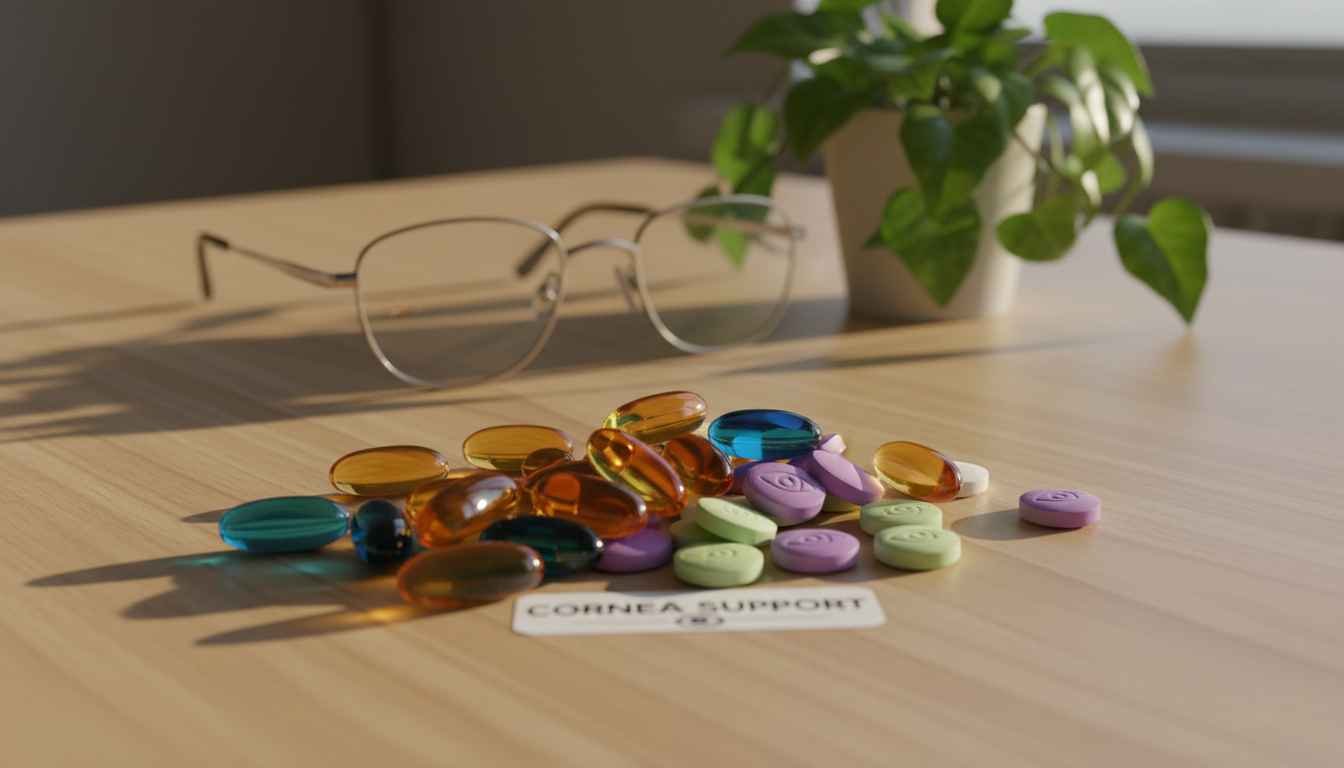
I was skeptical at first, but after reviewing multiple studies and consulting with eye health specialists, the impact of certain vitamins on cornea health is harder to ignore. Our corneas are exposed to constant stress – from UV light to airborne particles – and keeping them nourished is essential for clear vision and overall eye comfort.
Vitamin A tops the list. Known for its critical role in maintaining epithelial tissues, it supports the cornea’s surface and helps prevent dryness and ulcers. Daily intake through foods like carrots, sweet potatoes, and leafy greens can significantly bolster corneal resilience.
Vitamin C is another powerhouse. As an antioxidant, it combats oxidative stress, helping the cornea repair and maintain structural integrity. Research shows that adequate Vitamin C levels can reduce the risk of corneal degeneration and promote faster healing from minor injuries.
For those focusing on cellular repair, Vitamin E deserves attention. It protects corneal cells from free radical damage, especially in individuals exposed to high environmental stress. Pairing Vitamin E-rich foods such as almonds, sunflower seeds, or avocados with Vitamin C can amplify antioxidant benefits.
Omega-3 fatty acids, while not a vitamin per se, are crucial for corneal hydration and reducing inflammation. Regular consumption from fatty fish, flaxseed, or walnuts supports tear production and helps prevent dry eye symptoms. Integrating these nutrients into your daily routine creates a synergistic effect that promotes corneal strength and clarity.
For families managing unique health needs, particularly children with sensory sensitivities, supplementation must be tailored carefully. Organizations like Hopebridge Autism Therapy Centers provide guidance for holistic wellness approaches, including nutritional support that aligns with broader therapy plans.
Who Should Avoid This or Potential Drawbacks
While these vitamins are generally safe, high doses can cause complications. Excess Vitamin A can lead to toxicity, causing headaches, nausea, and even liver damage. Over-supplementing Vitamin E may interfere with blood clotting. Individuals with pre-existing conditions or children should consult a healthcare provider before starting supplementation. Results may vary, and dietary adjustments alone may not correct all corneal issues, especially if structural damage or disease is present.
Common Mistakes
Many people assume more is better. Taking megadoses of vitamins rarely accelerates healing and can be harmful. Ignoring a balanced diet while relying solely on supplements is another frequent error. Finally, overlooking professional guidance when symptoms persist can delay proper treatment and worsen eye health.
Integrating vitamins wisely, along with protective habits like UV-blocking eyewear and regular eye check-ups, can offer a tangible boost to cornea health. Remember, nutrition is one piece of the puzzle; a holistic approach is key to maintaining long-term visual clarity.
