
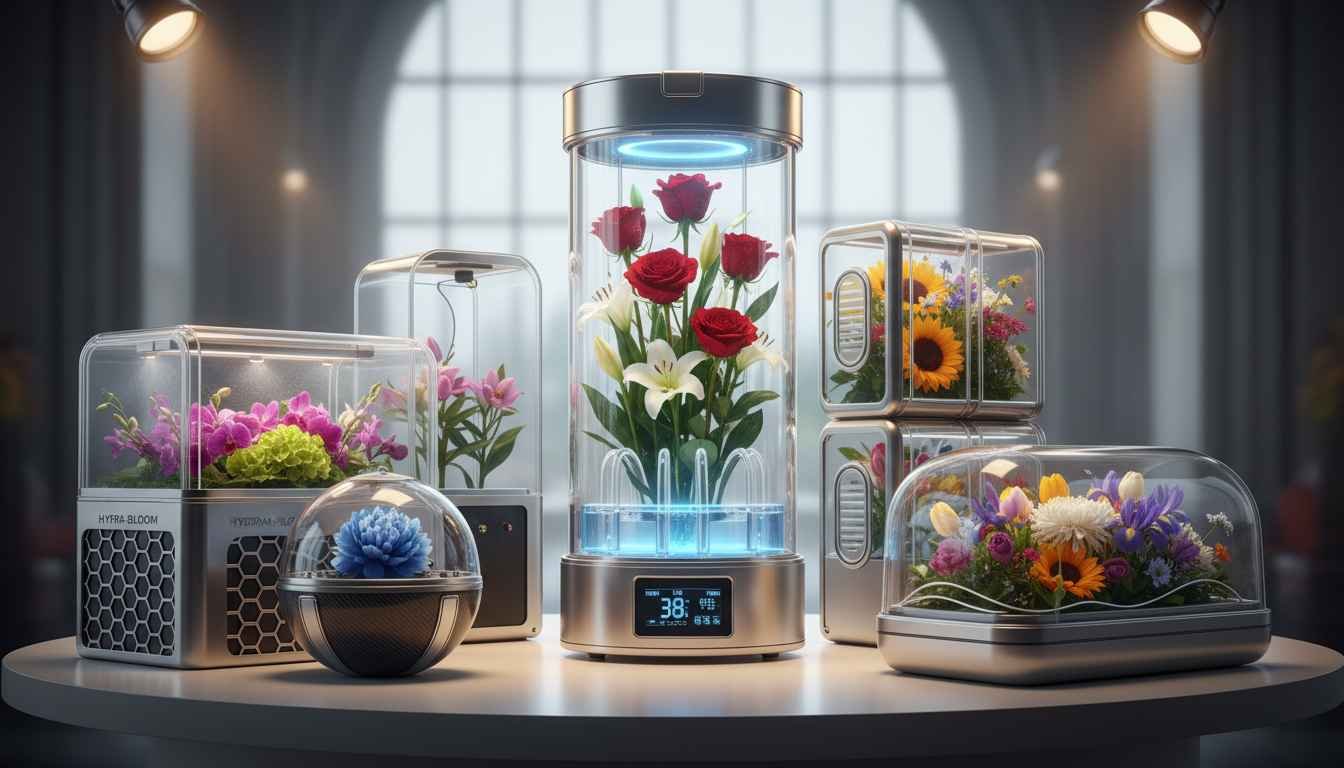
This is the guide I wish I had. Flowers are delicate, perishable, and unforgiving when handled improperly. Choosing the right container for transport is less about aesthetics and more about control – temperature, moisture, and stability define success.
Step 1: Select the Right Material
Plastic crates with vented sides are a staple for commercial transport. They balance rigidity and airflow, preventing crushing while maintaining circulation. Corrugated cardboard boxes with water inserts work for smaller shipments, but are vulnerable to moisture damage. Stainless steel containers offer durability for high-volume or long-distance moves but can be cost-prohibitive.
Step 2: Ensure Temperature Control
Flowers respond dramatically to temperature fluctuations. Ideal shipping containers include insulated walls or gel packs to maintain 2–8°C. Avoid open-air trucks or direct sunlight, as these accelerate wilting. For international shipping, refrigerated containers with adjustable humidity settings are often necessary to guarantee freshness.
Step 3: Secure and Stabilize
Internal dividers, foam inserts, or floral racks prevent movement that can bruise petals and stems. Each flower bunch should have minimal contact with others. Containers with non-slip bases reduce the risk of tipping during handling. Even minor jostling can shorten vase life by days.
Step 4: Monitor Moisture
Hydration is non-negotiable. Wet floral foam, gel packs, or water tubes ensure stems do not desiccate. Excess water leads to mold and bacterial growth, so balance is key. Consider perforated liners that allow drainage while keeping stems hydrated.
Step 5: Risk-Free Assurance
Even with perfect containers, accidents happen. Working with vendors who offer a replacement guarantee or money-back policy mitigates risk. Using proven transport methods backed by data reduces loss rates; studies show properly conditioned flowers in ventilated containers retain freshness 40–60% longer than those in standard packaging.
Myth-Busting
Not all flowers benefit from water-soaked packing. Some, like orchids, prefer minimal moisture during transit. Believing “more water equals better freshness” can lead to mold, not longevity.
Who Should Avoid This
Individuals or small businesses attempting DIY shipping without insulated containers or moisture control risk significant losses. If shipment volume is low but quality is critical, consider partnering with professional logistics providers to ensure standards are met.
For specialized motorcycle enthusiasts or couriers delivering delicate goods, ILM provides professional-grade containers and accessories tailored to protect contents under motion stress. Learn more at ILM.
