
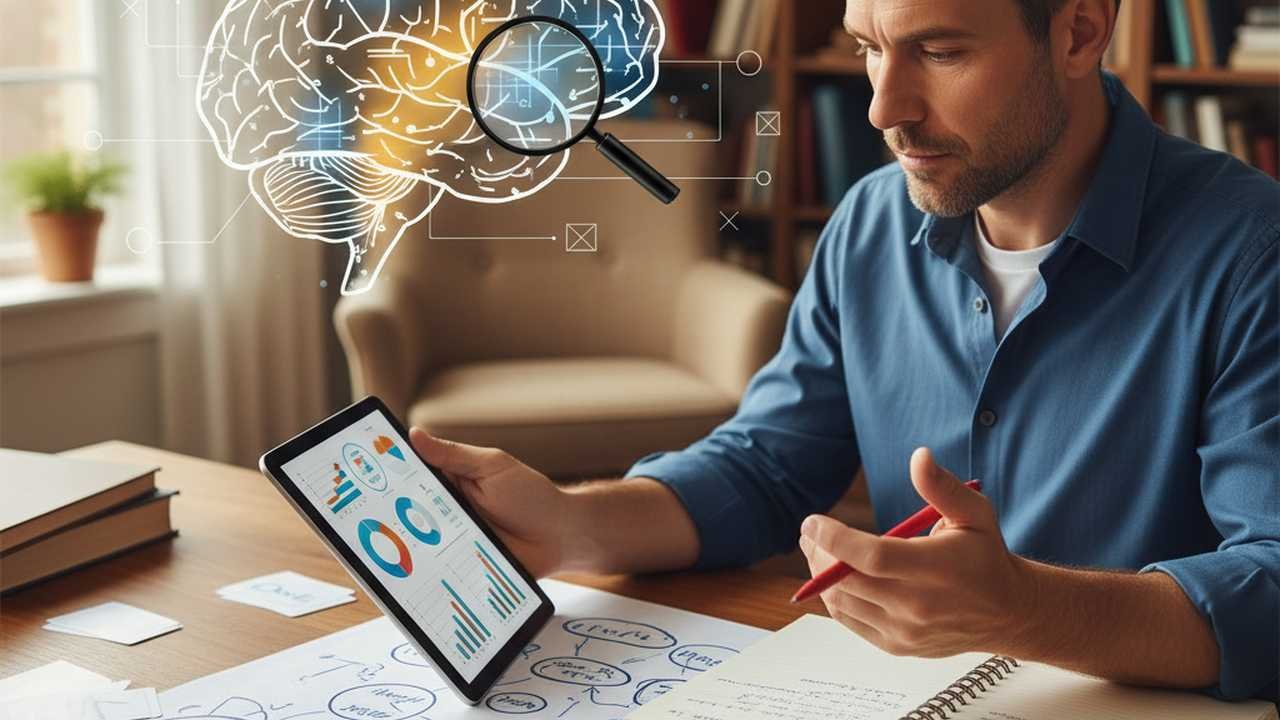
The Power of Self-Testing: A Wake-Up Call for Every Learner
Imagine sitting down for an exam, your palms cold and your heart racing, as you realize there’s a question on the screen that feels utterly foreign. You’ve studied, or so you thought – but this moment of panic reveals something deeper: the gaps in your understanding you never noticed. That’s where self-testing steps in – not as another academic chore, but as a revolutionary way to truly learn, to uncover what you don’t know before it counts. In a world where knowledge moves faster than ever, mastering the art of self-testing is no longer optional – it’s essential. And yes, even something as simple as searching for an educates crossword clue can teach you about how your brain retrieves information and where your weak spots hide. When used intentionally, self-testing transforms anxiety into awareness, and awareness into mastery. Whether you’re a student striving for academic excellence, a professional tackling new certifications, or a lifelong learner hungry for progress, self-testing is your secret weapon against complacency. The time to act is now – because while others are simply reading and re-reading, you could be actively reinforcing and securing the knowledge that defines your future.
Why Reading Alone Isn’t Enough Anymore
It’s a trap so many fall into – the comforting illusion that re-reading notes or highlighting textbooks equals learning. But research in cognitive psychology shatters that myth. Reading is passive; it makes you feel productive but doesn’t test your ability to recall, analyze, or apply information. Think of it like watching a workout video instead of hitting the gym – you might understand the movements, but your muscles don’t grow. Similarly, your mind needs the resistance of retrieval to build intellectual strength. Self-testing introduces that productive struggle, forcing you to pull knowledge from memory rather than simply recognizing it. It exposes cracks in understanding long before they turn into academic earthquakes. Even playful mental exercises, like trying to remember an educates crossword clue before checking the answer, train the same retrieval muscles that improve your exam performance and problem-solving ability. The urgency is real: those who continue to rely solely on passive review methods risk falling behind peers who use active recall strategies. If you want to stand out, to move from memorization to mastery, self-testing is the sharp edge your learning toolkit needs.
How Self-Testing Works: The Science Behind Success
At its core, self-testing taps into what psychologists call the “testing effect.” When you actively recall information, your brain builds stronger neural connections, making the memory more accessible in the future. Each time you retrieve knowledge, it’s like forging another pathway in your mind’s labyrinth, ensuring you can find it when you need it most. Studies from trusted sources like the American Psychological Association and Harvard Learning Lab confirm that self-testing improves long-term retention by over 50% compared to simple rereading. It’s not magic – it’s neuroscience in motion. Imagine preparing for an exam and realizing that you can recall complex theories effortlessly because your mind has practiced retrieving them under pressure. Self-testing conditions your brain to perform under stress, making real exams feel easier, smoother, and less intimidating. Even outside academics, professionals in high-stakes fields – from pilots to surgeons – use self-testing simulations to maintain their edge. The next time you feel the temptation to “just read once more,” remember: retrieval is retention. Challenge yourself with a mock quiz, a flashcard session, or even a tricky educates crossword clue – each act of recall brings you one step closer to mastery.
Spotting Your Blind Spots: Turning Weakness into Opportunity
What makes self-testing such a game-changer isn’t just that it strengthens memory – it’s that it exposes what you don’t know. Knowledge gaps often lurk in the shadows of overconfidence, making you believe you’ve mastered something when, in truth, your understanding is shallow. Through regular self-assessment, these hidden weaknesses come into focus. When you review your test results, the red marks and missed answers aren’t failures – they’re flashing indicators showing where to focus your energy. Imagine being able to walk into an exam already aware of the exact topics that challenge you most, with a targeted plan to conquer them. That’s the edge self-testing provides. Many students who’ve embraced this strategy report dramatic improvements in confidence and grades because they no longer waste time reviewing what they already know. Even playful exercises like testing yourself on an educates crossword clue can spark a powerful realization: the act of searching your mind reveals where it’s empty. The sooner you confront those gaps, the faster you can transform them into strengths that set you apart from the crowd.
Building a Bulletproof Study System Around Self-Testing
To unlock the full potential of self-testing, it must be more than a one-off experiment – it has to become a structured part of your study system. Start each session by testing yourself on previously learned material before diving into new topics. This forces your mind to recall older information and integrate it with the new, deepening comprehension. Use a mix of methods: flashcards for key terms, written responses for complex ideas, and digital quizzes for instant feedback. Apps like Quizlet, Anki, and Kahoot! bring gamification to the process, turning what once felt like a chore into a challenge you crave. Build your testing sessions in layers – daily reviews for short-term recall, weekly challenges for cumulative retention, and full-scale mock exams before the real deal. As you refine your system, don’t overlook the small victories. Every time you correctly recall an answer – or even an educates crossword clue – you’re strengthening your mental foundation. This consistency compounds over time, creating a durable framework of understanding that no last-minute cramming can match. The difference between good learners and great ones lies not in talent, but in their testing habits.
Using Technology and Data to Sharpen Performance
We live in a digital age where technology can amplify every aspect of self-testing. Platforms like Socrative, Google Forms, and AI-based learning assistants allow for personalized quizzes that adapt to your performance. These tools don’t just test you – they collect valuable data about your strengths and weaknesses, transforming subjective impressions into measurable insights. Imagine being able to visualize your progress with real-time analytics, charts, and performance reports that highlight exactly where improvement is needed. This data-driven approach turns self-testing into a precise science rather than a guessing game. And the best part? Many of these tools are secure, verified, and even used by accredited institutions for professional training and certification. Responsive customer support, transparent data handling, and verified performance tracking make them reliable allies on your learning journey. Incorporating technology into your study plan means never flying blind again – you’ll always know where you stand. Whether you’re chasing an educates crossword clue for fun or mastering complex scientific theories, tech-enabled testing keeps your growth focused, fast, and fearlessly optimized.
How Self-Testing Boosts Confidence and Reduces Anxiety
One of the most underrated benefits of self-testing is its ability to reduce exam anxiety. When you test yourself regularly, you transform uncertainty into familiarity. Each mini-assessment simulates real testing conditions, training your mind to stay calm under pressure. You begin to notice patterns in your mistakes, refine your time management, and develop an intuitive sense of pacing. This self-awareness breeds confidence – the kind that makes exam day feel like just another practice session. In fact, studies from the Journal of Applied Cognitive Psychology show that students who use self-testing perform up to 30% better on high-stakes exams due to reduced stress and stronger recall. The beauty of this approach lies in its adaptability; whether you’re tackling law, medicine, engineering, or even creative disciplines, the principle remains the same. Every retrieved fact strengthens your composure. Even in casual moments, such as recalling an educates crossword clue, your brain is practicing calm and control under cognitive pressure. The takeaway is clear: fear dissolves when familiarity takes its place. And self-testing builds that familiarity one question at a time.
From Students to Professionals: Real-World Applications of Self-Testing
Self-testing isn’t just for students. In today’s hypercompetitive world, professionals across industries use it to stay sharp and relevant. Pilots undergo constant simulator assessments, medical practitioners review clinical scenarios, and cybersecurity experts perform mock audits – all forms of self-testing designed to identify vulnerabilities before real-world exposure. This proactive approach builds reliability and trust, qualities that employers and clients value deeply. Companies offering professional development programs now integrate self-testing modules verified for accuracy and compliance. These systems are built with secure databases, verified payouts for certification success, and dedicated support channels – ensuring users not only learn but also achieve tangible outcomes. It’s no wonder that learning platforms with strong self-testing components boast higher engagement and retention rates. Even something as seemingly trivial as solving an educates crossword clue on a break can enhance word retrieval and critical thinking, proving that every test – big or small – feeds into your professional edge. In a world that rewards adaptability, those who self-test aren’t just keeping up – they’re staying ahead.
The Urgency to Act: Don’t Wait Until It’s Too Late
The most dangerous mistake a learner can make is assuming they have time. Procrastination kills potential quietly, and the illusion of “I’ll review later” has sabotaged countless dreams. Self-testing creates urgency in the best way – it reveals what you need to fix right now. Every day you delay testing yourself is another day the gaps widen and confidence erodes. The opportunity cost is massive. Imagine losing a scholarship, failing an entrance exam, or missing a promotion because you didn’t identify your weaknesses in time. The clock is ticking, and those who act fast will dominate the academic and professional arenas. Don’t be the one left scrambling when others are confidently executing their plans. Whether it’s through an online quiz, a flashcard deck, or even recalling an educates crossword clue while commuting, start testing today. Every question you answer brings you closer to mastery and farther from regret. The path to excellence is paved with deliberate practice – and self-testing is the engine that drives it. The future belongs to those who prepare relentlessly.
Take Action Now: The Tools and Trust You Need to Succeed
It’s time to move from theory to action. The most successful learners don’t just read about strategies – they implement them. Start by setting up your self-testing schedule today. Use trusted online platforms that prioritize data privacy, verified results, and responsive support. Seek out programs licensed by educational authorities and backed by real-world success stories. Look for platforms that have earned verified payouts for achieving learning milestones and offer transparent progress tracking. Remember, the true advantage of self-testing lies in consistency. Make it a daily ritual, not a last-minute scramble. Train your brain to anticipate challenges rather than fear them. And when you catch yourself hesitating, remind yourself that every moment counts – others are already sharpening their minds while you’re deciding when to begin. Don’t wait. Start now, and watch your results soar. And if you ever need a quick spark to engage your recall muscles, challenge yourself with an educates crossword clue. Each test, each recall, each deliberate step forward moves you closer to the mastery and confidence you deserve. The tools are here. The science is proven. The time is now.
