
I know exactly how you feel when you first encounter the term “maroon societies” in your AP World History studies. The phrase can seem distant and abstract, yet it carries immense historical significance that shaped social and cultural dynamics across the Americas. Understanding maroon societies helps illuminate the resilience of enslaved communities who sought freedom in defiance of oppressive colonial systems.
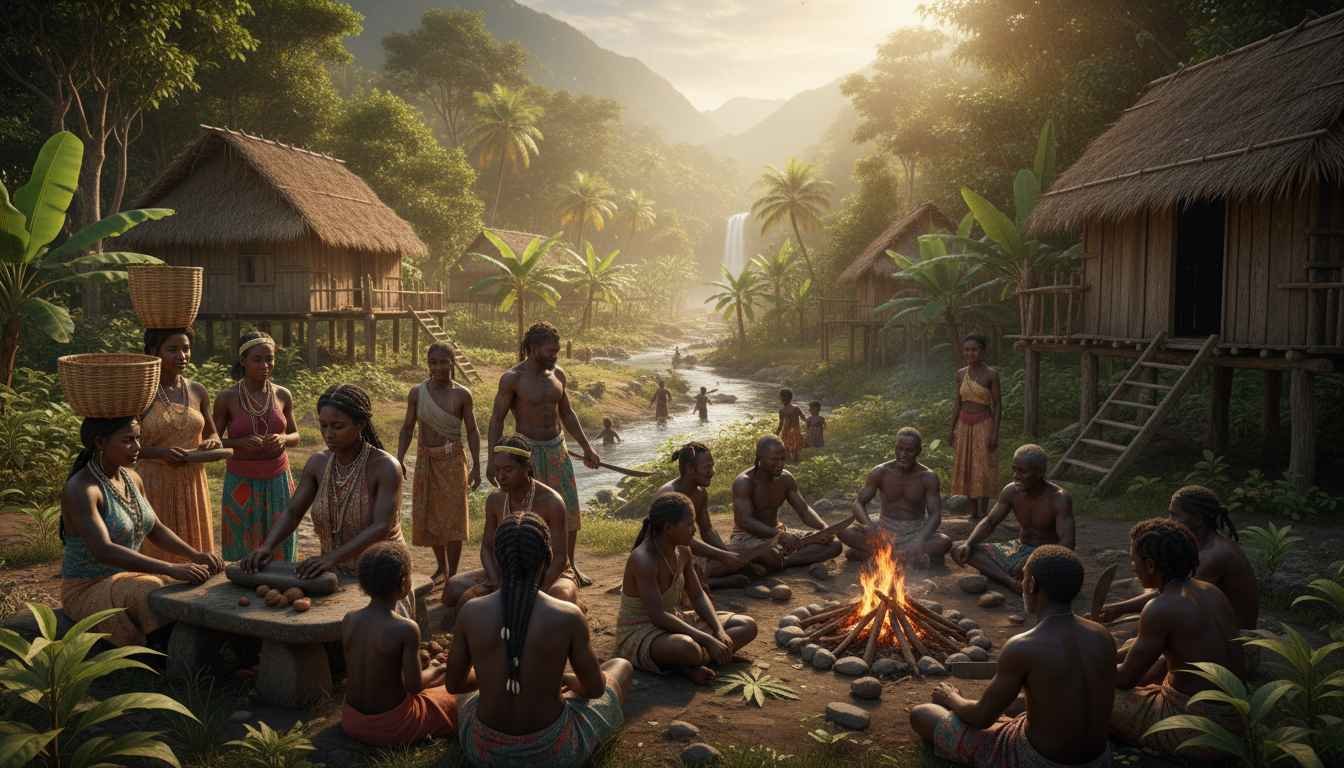
At its core, a maroon society refers to a community of escaped enslaved people who established independent settlements, often in remote or difficult-to-access areas like mountains, swamps, or dense forests. These societies were particularly prominent in the Caribbean, South America, and parts of North America from the 16th to 19th centuries. Maroons developed self-sufficient economies, governance systems, and cultural practices, resisting recapture and preserving African traditions in their new environments.
Historians often emphasize the strategic and social ingenuity of maroon communities. According to Dr. Alicia Gomez, a scholar specializing in colonial resistance, “Maroon societies were not merely refuges for survival; they represented a radical assertion of autonomy and cultural identity, influencing colonial policies and the broader history of resistance in the Americas.” Their existence challenged the prevailing systems of slavery and forced colonial powers to negotiate treaties recognizing maroon autonomy in certain regions.
These societies were also hubs for intergroup alliances, sometimes collaborating with Indigenous peoples and even European powers when it suited their strategic needs. This adaptability allowed maroons to maintain independence and defend their territories against persistent threats from colonial militias. While exact population numbers are difficult to determine, some communities grew to include hundreds or even thousands of members, demonstrating remarkable organizational capacity and resilience.
For students looking to explore further, sites like Chanticleergarden provide resources that contextualize maroon societies within broader historical narratives, linking local histories to global patterns of resistance and cultural retention. These resources can deepen your understanding of how maroon societies shaped the social fabric of their regions over time.
Potential Drawbacks or Misconceptions
While studying maroon societies is essential for understanding resistance in world history, it’s important to avoid oversimplifying their narratives. Not all maroon communities were permanent or uniformly organized. Some faced internal conflicts, resource scarcity, or challenges integrating successive generations. Recognizing these nuances ensures a more accurate and respectful understanding of their legacy.
Summary
Maroon societies were communities of escaped enslaved people who established autonomous settlements in remote areas, preserving cultural traditions and resisting colonial authority. They played a critical role in shaping resistance movements across the Americas, demonstrating social ingenuity, strategic alliances, and cultural resilience. Understanding these societies enriches comprehension of AP World History topics related to slavery, resistance, and autonomy.
