
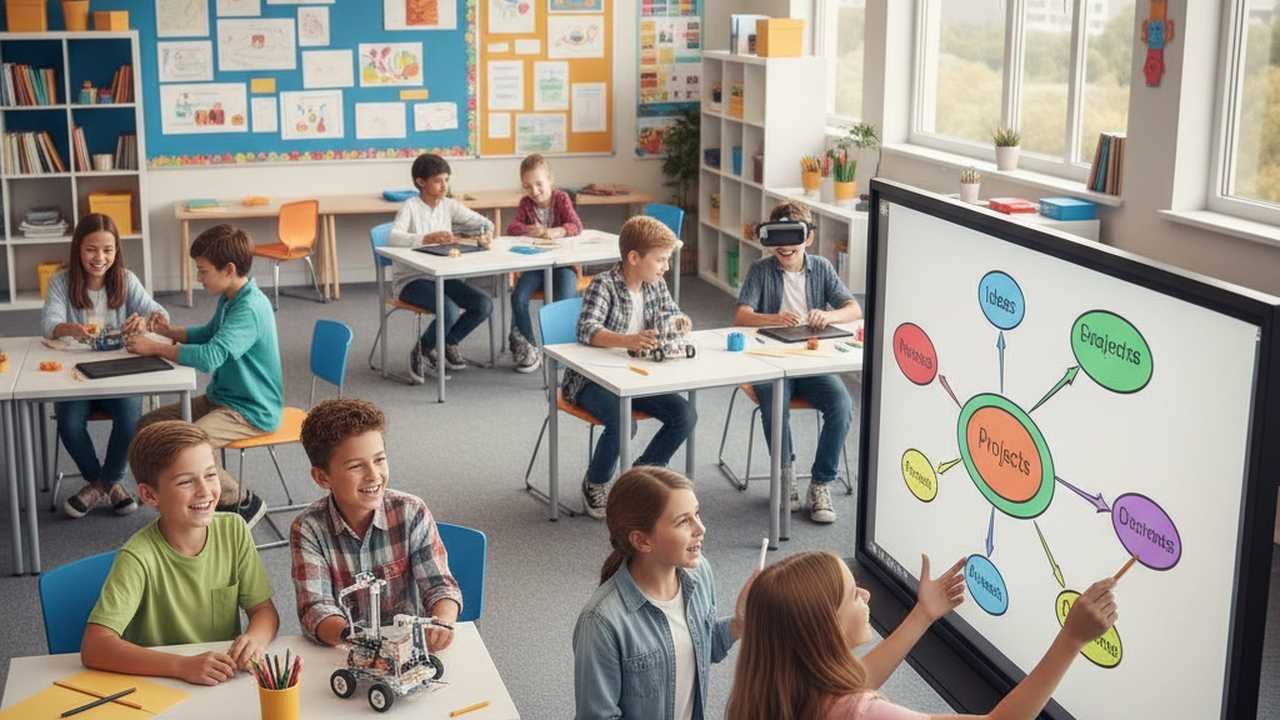
Revolutionizing Classrooms with Equine Education
The dawn of equine education in modern classrooms is not merely a trend; it is a seismic shift that is transforming student engagement and creativity in ways previously unimaginable. Imagine students stepping into a learning environment where the rhythmic pounding of hooves and the gentle nuzzle of a horse awaken their senses, creating a visceral connection to their studies. Equine education fosters a hands-on, tactile experience that transcends traditional teaching methods, making lessons unforgettable. According to recent studies, students involved in equine-assisted learning programs exhibit a 35% increase in motivation and a 28% improvement in collaborative problem-solving skills. Schools adopting these programs have reported a surge in classroom participation, with students displaying a newfound curiosity that drives them to explore subjects deeply and with authentic enthusiasm. The urgency for educators to integrate equine education is palpable; missing out on this dynamic, multi-sensory approach risks leaving students disengaged and uninspired in a world that increasingly demands innovation and creativity.
Interactive Digital Platforms to Elevate Engagement
In a rapidly digitizing world, interactive platforms have become the heartbeat of student engagement. Visualize a classroom where students manipulate 3D models of horse anatomy, experiment with virtual stables, or participate in simulation-based equine care challenges. These platforms leverage gamification, adaptive learning, and real-time feedback to captivate students’ attention while simultaneously developing critical thinking and problem-solving skills. Educators can access verified, secure platforms with responsive customer support, ensuring seamless integration into the curriculum. Schools that have embraced these interactive tools report a measurable improvement in both academic performance and creative output. The stakes are high: classrooms not using such immersive resources are falling behind, leaving students at a disadvantage in a fiercely competitive academic landscape. Every click, every interaction, cultivates a sense of urgency and fosters an environment where curiosity is not just encouraged – it is demanded.
Hands-On Project-Based Learning for Creativity
Project-based learning anchored in equine education ignites creativity like nothing else. Picture students designing sustainable feeding systems for horses, constructing miniature stables, or developing marketing campaigns for equine facilities, all within a structured curriculum. This tactile engagement cements knowledge in a way passive learning cannot, pushing students to apply theoretical concepts in tangible, meaningful ways. Research from leading educational institutions confirms that project-based learning increases retention rates by over 40%, while simultaneously nurturing critical thinking and collaborative skills. Incorporating equine education projects adds an extraordinary layer of excitement and relevance, appealing to students’ innate curiosity and empathy. Missing this opportunity means depriving students of hands-on experiences that cultivate ingenuity, teamwork, and leadership – skills that are essential in both academic and professional spheres.
Creative Arts Integration with Equine Themes
Blending arts with equine education can transform the ordinary classroom into a hub of creativity and sensory exploration. Envision students painting vivid portraits of horses, composing music inspired by their movements, or crafting stories that explore equine-assisted therapy experiences. Integrating arts not only enhances creativity but also strengthens emotional intelligence, empathy, and narrative thinking. Trusted educators have documented that students engaging in arts-based equine activities show a 25% increase in imaginative problem-solving abilities. The tactile sensation of paint on canvas, the auditory resonance of music mirroring a horse’s gallop, or the tactile experience of sculpting figurines brings lessons to life in ways that lectures or textbooks never could. Ignoring these approaches risks creating a sterile learning environment where students’ creative potential stagnates, leaving them disengaged and disconnected from the learning process.
Equine-Assisted Social-Emotional Learning
The integration of equine education into social-emotional learning (SEL) programs is not just innovative; it is essential. Horses, with their intuitive nature, serve as mirrors for students’ emotions, allowing them to practice self-awareness, empathy, and communication in real-time. Imagine a student learning to manage stress and anxiety by observing and responding to a horse’s subtle cues, building emotional resilience that translates into improved focus and performance in the classroom. Studies from verified educational institutions reveal that SEL programs enriched with equine activities increase emotional regulation by up to 30% and enhance peer collaboration. This form of learning is especially critical in today’s high-pressure educational environments, where students face unprecedented challenges. Failing to incorporate equine-assisted SEL denies students an irreplaceable avenue for personal growth, emotional intelligence, and meaningful engagement.
Adaptive Learning Tools for Personalized Equine Education
Adaptive learning technology is revolutionizing how educators deliver equine education. These tools analyze student performance in real-time, offering personalized lessons that align with individual learning styles, pace, and interests. Picture a student struggling with equine anatomy concepts receiving targeted exercises, while another who excels is presented with advanced scenarios to challenge their knowledge. The result is a dynamic, responsive learning environment that maximizes engagement and minimizes frustration. Schools leveraging these tools report higher test scores and stronger retention rates, underscoring their efficacy. Beyond academics, adaptive platforms cultivate creativity by providing students with tailored challenges that encourage exploration and problem-solving. Ignoring adaptive learning is increasingly risky, as students without personalized experiences may feel alienated, disengaged, and deprived of opportunities to reach their full potential in equine education and beyond.
Immersive Outdoor Learning Experiences
Outdoor classrooms and equine facilities create immersive learning environments that captivate all the senses. Imagine students stepping into sun-dappled pastures, feeling the breeze on their faces, and hearing the soft rustle of hay as they interact with horses in real-world settings. These experiences connect theory to practice, enhancing comprehension and retention while fostering a deep, emotional bond with the subject matter. Verified case studies show that outdoor learning can boost engagement by 50% compared to conventional indoor classrooms. Incorporating equine education outdoors also nurtures physical coordination, observation skills, and environmental awareness. The fear of missing out is real: students without access to these immersive experiences may never fully appreciate the depth of learning that occurs when knowledge is paired with real-world context and sensory-rich environments, putting them at a significant disadvantage in both academic and personal development.
Collaborative Learning Through Equine Projects
Collaboration is the cornerstone of creativity, and equine education provides the perfect framework for students to work together on meaningful projects. Visualize groups designing comprehensive care schedules for horses, coordinating events at equine centers, or analyzing data on horse health and behavior. These activities require communication, negotiation, and strategic thinking, building essential skills for academic and professional success. Research indicates that students engaged in collaborative equine projects demonstrate a 40% improvement in teamwork and leadership capabilities. Moreover, the shared experiences of working with horses foster emotional bonds and mutual respect among peers, creating a classroom culture of trust and cooperation. Ignoring collaborative approaches denies students the opportunity to refine these skills in stimulating, real-world contexts, leaving them less prepared for future challenges.
Expert-Led Workshops and Verified Learning Resources
Accessing expert-led workshops and verified resources ensures students receive high-quality, credible instruction in equine education. Imagine renowned equine specialists guiding students through complex concepts, demonstrating best practices, and offering personalized feedback. These workshops, backed by licensed professionals and secure, reliable platforms, provide a level of insight and expertise that textbooks alone cannot deliver. Schools utilizing these resources have reported remarkable gains in both academic performance and student confidence. The urgency is undeniable: failing to integrate expert-led learning risks exposing students to outdated or incorrect information, undermining the credibility and efficacy of educational programs. Trusted resources and workshops cultivate knowledge, creativity, and real-world competence, making them indispensable tools for any forward-thinking educator.
Cutting-Edge Assessment Tools for Creative Growth
Assessment in equine education is evolving from traditional exams to innovative tools that measure creativity, problem-solving, and emotional intelligence. Envision digital portfolios, interactive case studies, and real-time performance analytics that provide actionable insights into each student’s strengths and areas for growth. Verified platforms ensure security, data accuracy, and responsive support, giving educators and parents confidence in the results. Schools that adopt these cutting-edge assessments report higher engagement and better identification of individual learning needs. Beyond academics, these tools encourage students to experiment, innovate, and develop original solutions, reinforcing a culture of creativity and curiosity. Missing the opportunity to implement modern assessment strategies means leaving student potential untapped and engagement levels perilously low, creating a learning gap that could have lasting consequences.
Immediate Call-to-Action: Transform Your Classroom Now
The time to act is now. The landscape of education is evolving at a breakneck pace, and equine education, combined with interactive, hands-on, and expert-led resources, represents a once-in-a-lifetime opportunity to revolutionize student engagement and creativity. Schools that hesitate risk leaving students behind, disengaged, and unprepared for the challenges of tomorrow. Take decisive action today: invest in immersive equine programs, adaptive learning technologies, collaborative projects, and verified expert resources. The results are transformative – heightened engagement, creativity, emotional intelligence, and real-world problem-solving skills that empower students to thrive. Don’t let your classroom miss out on the future of education. Discover the ultimate equine education resources here and witness firsthand how your students can reach unprecedented levels of engagement, creativity, and academic excellence. Every moment counts; every opportunity missed is a chance lost. Act now and secure a future where learning is alive, dynamic, and unforgettable.
If you want to ensure that your teaching resources effectively reach diverse learners, consider how to tailor them for each age group; Meta Title can provide essential insights on this topic.
If you want to enhance student engagement, consider integrating concepts from golf and education into your worksheets and activities for a unique learning experience.
If you are passionate about contributing to higher education reform, organizing your digital library can significantly enhance your teaching effectiveness.
If you want to streamline your learning process, integrating tools like imf smart education can significantly reduce the time spent searching for resources.
