
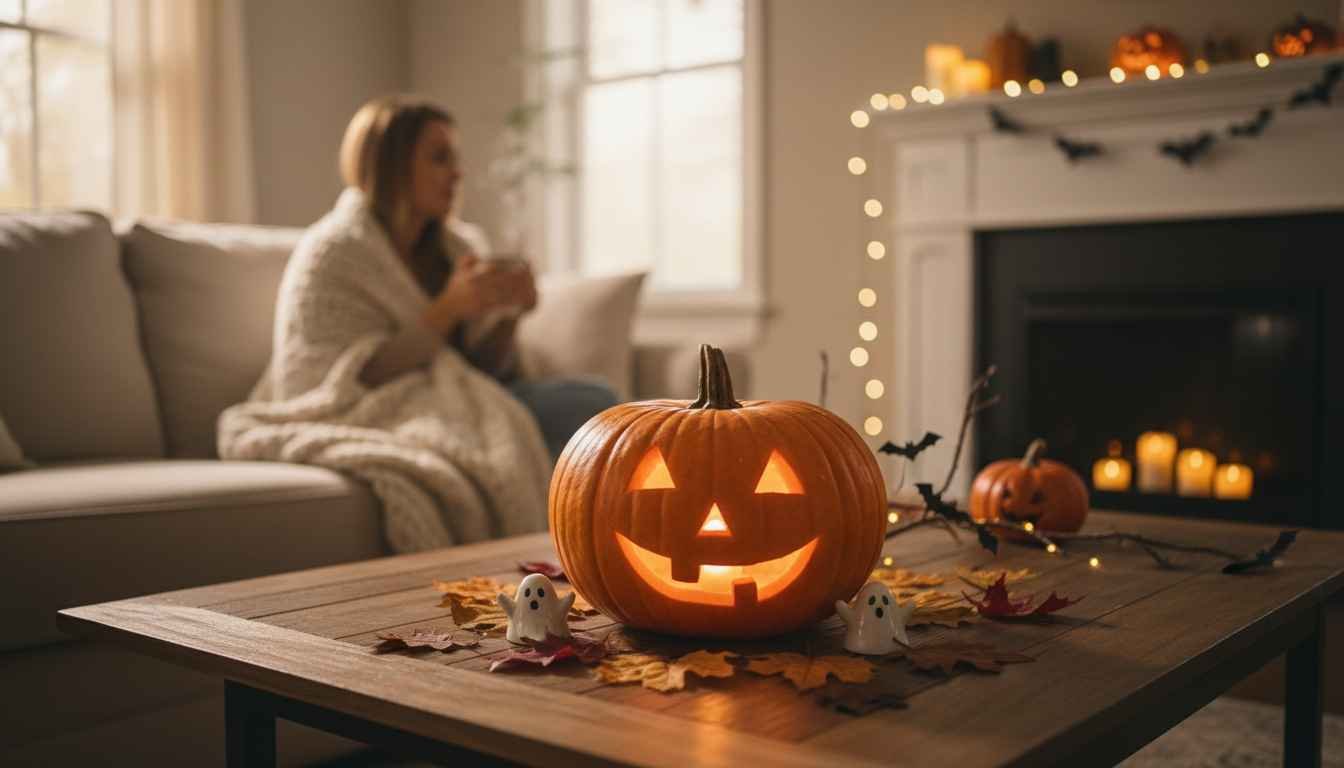
Key Takeaways
Key Takeaway One: Halloween can amplify emotional stress, but with intentional care it can also support resilience and self-awareness.
Key Takeaway Two: Managing halloween mental health is less about avoidance and more about preparation, boundaries, and recovery.
Key Takeaway Three: Personal strengths and self-knowledge play a central role in navigating seasonal emotional shifts safely.
Rome wasn’t built in a day. Mental well-being works the same way, especially during emotionally charged seasons like Halloween. While the holiday is often framed as playful and social, it brings with it a complex mix of stimuli, memories, and expectations. For some, that mix sparks excitement. For others, it quietly erodes emotional balance.
From a maintenance and care standpoint, halloween mental health deserves thoughtful attention rather than dismissal. Loud environments, altered routines, symbolic imagery, and social pressure can accumulate into psychological strain. This does not mean Halloween is harmful by nature. It means the season requires conscious emotional upkeep, much like adjusting nutrition or sleep during seasonal changes.
Understanding how Halloween interacts with the mind allows individuals to approach it as a period of self-regulation rather than emotional risk. This guide explores how to maintain psychological stability before, during, and after the holiday while respecting individual limits.
Why Halloween Affects Mental Health
Seasonal transitions already place cognitive load on the brain. Halloween intensifies this by layering sensory overload on top of disrupted routines. Dark imagery, costumes, horror themes, and crowded social settings stimulate the nervous system in ways that are not neutral for everyone.
Research in environmental psychology shows that heightened sensory input can increase cortisol levels, particularly in individuals sensitive to noise or visual intensity. Add late nights, sugar intake, and social comparison, and the emotional system begins operating under strain.
For people managing anxiety, trauma histories, or mood disorders, these factors may compound existing vulnerabilities. Even those without diagnosed conditions may notice irritability, fatigue, or emotional withdrawal during this period.
Pre-Halloween Mental Health Preparation
Maintenance begins before the event. Just as physical systems require calibration, emotional systems benefit from anticipation and planning. The first step is acknowledging personal thresholds. This involves identifying which aspects of Halloween are energizing and which are draining.
Self-assessment tools grounded in positive psychology can help clarify emotional patterns and stress responses. Resources like the HIGH5 Strengths Test offer insight into personal strengths that can be used to buffer seasonal stress. Understanding whether one thrives on social connection, structure, or reflection helps tailor coping strategies.
Practical preparation may include setting limits on event attendance, planning exit strategies, or scheduling recovery time afterward. These are not signs of avoidance. They are acts of emotional responsibility.
Managing Halloween Night Itself
The holiday often compresses stimulation into a short timeframe. Crowds, costumes, music, and heightened emotions converge quickly. During this phase, mental health care focuses on real-time regulation.
Grounding techniques such as paced breathing, sensory check-ins, or brief solitude can prevent emotional overload. Maintaining hydration and regular meals also stabilizes mood, as blood sugar fluctuations are known to influence anxiety and irritability.
Social boundaries matter. It is acceptable to decline activities that conflict with emotional capacity. Studies on social fatigue indicate that perceived obligation is a stronger predictor of stress than social interaction itself.
Post-Halloween Emotional Recovery
Care does not end when the costumes come off. Emotional aftereffects often surface once stimulation subsides. Fatigue, low mood, or a sense of emptiness are common and usually temporary.
Recovery involves returning to routine deliberately. Prioritizing sleep, balanced nutrition, and reduced screen exposure helps reset circadian rhythms. Reflective practices such as journaling can also process lingering emotions rather than suppress them.
From a maintenance perspective, this phase is essential. Ignoring recovery increases the likelihood of prolonged emotional disruption as the season transitions into winter.
Positive Opportunities Within Halloween
While risks exist, Halloween also offers mental health benefits when approached consciously. Creative expression through costumes can support identity exploration. Shared rituals can foster belonging, which is a protective factor against depression.
Positive psychology research highlights the role of play in adult well-being. When chosen freely and aligned with personal comfort, playful activities reduce stress hormones and enhance mood.
The key distinction lies in agency. Halloween supports mental health when participation is intentional rather than performative.
Who Should Avoid This
Certain individuals may benefit from minimizing or modifying Halloween engagement. People with severe anxiety disorders, recent trauma exposure, or sensory processing sensitivities may experience disproportionate distress.
Children and adults with post-traumatic stress may find horror imagery triggering. Those in early recovery from substance misuse should be cautious around events centered on alcohol consumption.
Avoidance does not imply weakness. In mental health care, selective disengagement is often a protective strategy supported by clinical guidance.
Long-Term Mental Health Considerations
Halloween serves as a case study in seasonal emotional management. The skills used here apply to other high-stimulation periods such as holidays or major life events.
Data from the American Psychological Association suggests that nearly 60 percent of adults report increased stress during holidays. Learning to navigate Halloween thoughtfully contributes to broader emotional resilience.
Ultimately, halloween mental health is about alignment. When actions align with internal capacity and personal values, the season becomes manageable and sometimes even restorative.
