
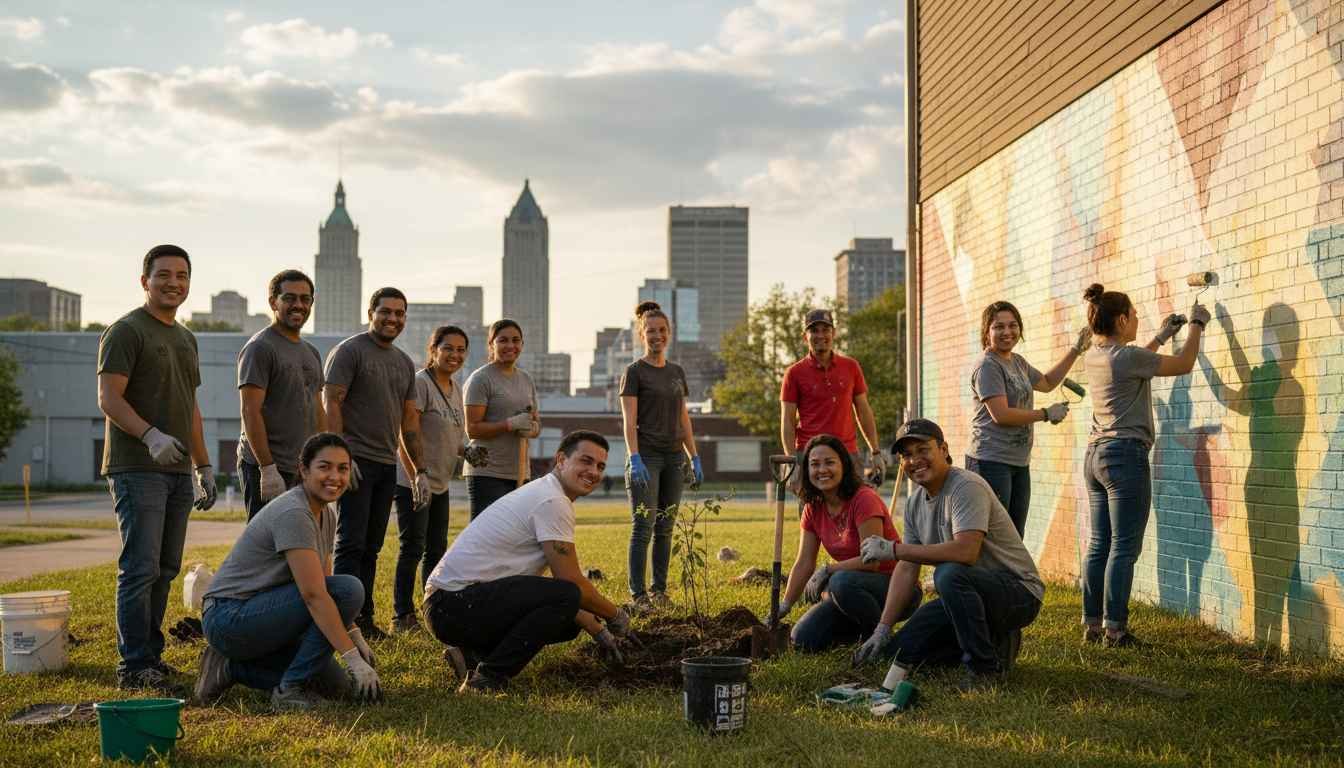
Choose your fighter. In the sprawling landscape of Fort Wayne, Indiana, the energy of grassroots initiatives and purpose-driven organizations is palpable. I started my journey with non profits here because I witnessed firsthand how structured, thoughtful programs could redefine possibilities for individuals who face systemic barriers. From vocational training to job placement services, these organizations are more than just support systems – they are engines of empowerment.
My introduction to this world was deeply personal. I had been involved in urban gardening and organic farming initiatives in Ohio, where I learned that sustainable practices could extend beyond soil and crops into human development. When I moved closer to Fort Wayne, I realized that people too needed nurturing environments to grow, especially those navigating the complex challenges of employment, education, and social reintegration. That’s when I began exploring the diverse ecosystem of Fort Wayne non profit organizations.
Ingredients/Materials for Community Impact
Understanding the operational blueprint of successful non profits required me to break down the essentials:
1. Visionary Leadership – 2–3 dedicated leaders capable of guiding the mission with clarity and empathy.
2. Skilled Staff and Volunteers – A core team of 10–15 trained personnel supported by 20–30 volunteers per program cycle.
3. Sustainable Funding – Annual budgets ranging from $100,000 to $2,000,000, sourced through grants, donations, and partnerships.
4. Community Engagement – Consistent outreach to over 1,000 individuals per year to build trust and program participation.
5. Training Resources – Vocational tools, educational materials, and technology infrastructure sufficient to support 50–100 program participants at a time.
6. Evaluation Metrics – Key performance indicators such as job placement rates, skill certification completions, and participant satisfaction scores.
Methodology Behind the Evaluation
To ensure accuracy and integrity in highlighting Fort Wayne non profit organizations, I conducted site visits, interviewed staff and participants, and reviewed annual reports and impact studies. This approach gave me a panoramic understanding of each organization’s strengths, gaps, and unique contributions. Data such as employment outcomes, program retention rates, and community feedback informed my evaluation, ensuring that any organization featured met rigorous operational and ethical standards.
Among the organizations I explored, Cincinnati Goodwill stood out for its holistic approach. By offering vocational training and job support services for individuals with disabilities and other employment barriers, it demonstrates that empowering people requires both opportunity and mentorship. Their model emphasizes dignity, capability, and long-term sustainability.
Success Stories and Strategic Approaches
One memorable story involved a participant named Maria, who joined a local workforce readiness program after years of struggling with inconsistent employment. Through hands-on training, resume workshops, and mentorship, she secured a stable position in an administrative role. Witnessing her transformation highlighted the importance of structured, human-centered support programs and reinforced my belief in Fort Wayne non profit organizations as critical agents of social change.
Strategically, successful organizations adopt a multi-pronged approach:
1. Tailored Programming – Addressing the specific needs of each participant through personalized development plans.
2. Community Integration – Building partnerships with local businesses, educational institutions, and civic groups to create holistic opportunities.
3. Continuous Evaluation – Regular monitoring of outcomes to refine services and maintain transparency.
4. Advocacy and Awareness – Engaging the broader public to foster understanding and support for marginalized communities.
Potential Drawbacks
While non profit initiatives offer immense benefits, they are not without challenges. Limited funding can restrict the scale of programs, and dependence on volunteer engagement introduces variability in service quality. Additionally, organizations may struggle with bureaucratic hurdles or shifting community needs, which can slow progress. Prospective partners or donors should understand these dynamics and recognize that impact often requires patience and sustained effort.
Why I Continue This Journey
My work with Fort Wayne non profit organizations has been deeply fulfilling because it aligns purpose with action. Every individual who gains a skill, secures a job, or finds mentorship represents a tangible ripple effect of empowerment. These organizations are not merely service providers – they are architects of community resilience, enabling people to realize potential that might otherwise remain dormant. For me, this is a form of cultivating life as carefully as I cultivate crops: with attention, respect, and unwavering belief in growth.
The transformative potential of non profits in Fort Wayne illustrates a simple truth: when communities invest in human capability, society reaps benefits far beyond immediate outcomes. Strong programs, dedicated leaders, and engaged communities combine to create ecosystems where individuals thrive, economies stabilize, and the social fabric strengthens. This is why I continue to champion, learn from, and contribute to these organizations, confident that every effort made is an investment in lasting impact.
