
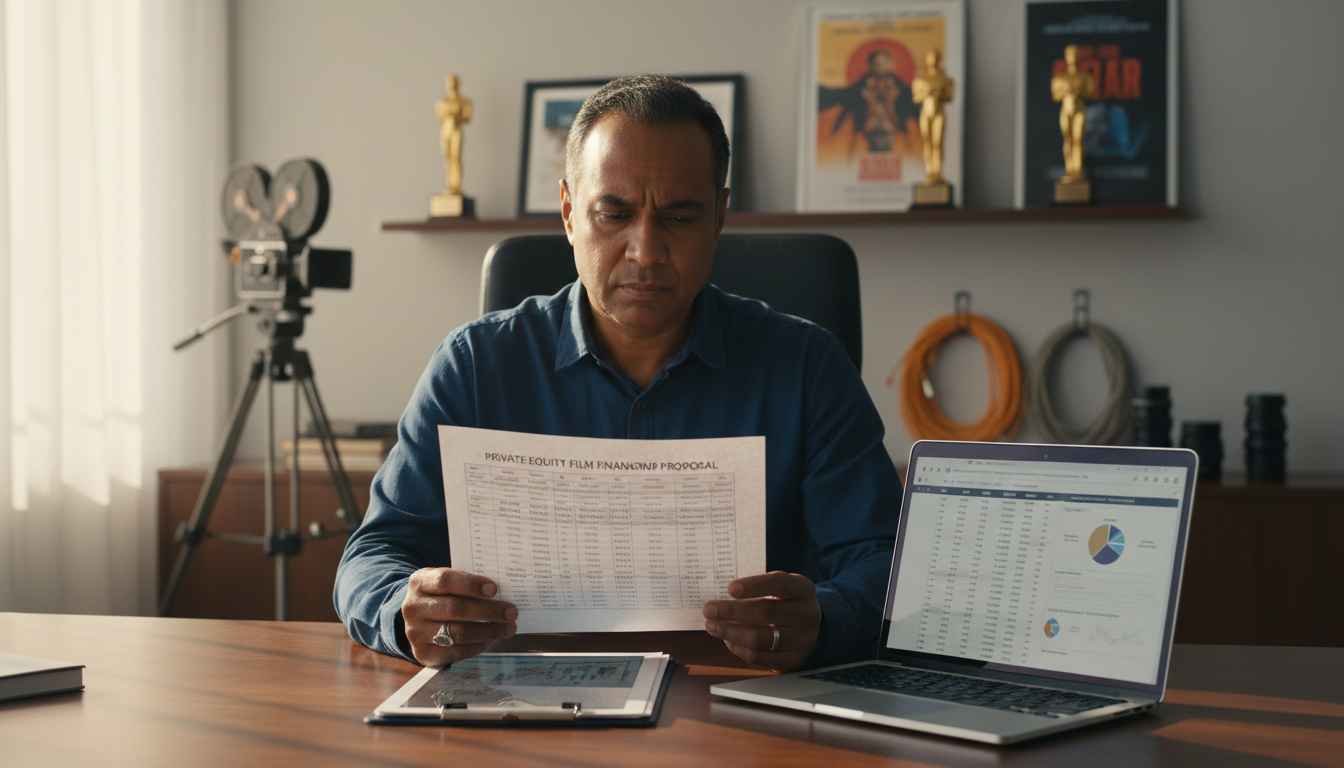
Choose your fighter. In the world of film financing, private equity stands out as a high-stakes contender. Unlike traditional studio deals, private equity allows independent producers to secure large sums of capital from investors willing to shoulder the risks and reap the rewards. But the path is far from simple.
At its core, private equity film financing involves pitching a film project to wealthy individuals or firms who invest directly for equity ownership. This approach provides filmmakers with significant upfront funding, bypassing slower methods like crowdfunding or grants. However, it also demands rigorous financial planning, legal structuring, and investor relations to protect both parties.
Marketing Funnel Breakdown
The first stage is awareness. Producers must craft compelling materials – sizzle reels, detailed scripts, and pro forma financials – to attract investor interest. Once potential backers are engaged, the next step is consideration. Here, transparency is crucial: investors need projected ROI, risk assessments, and distribution strategies.
Conversion happens when contracts are signed and capital is deployed. At this stage, maintaining investor confidence requires regular updates on production milestones and cost management. I learned this the hard way on a past project where I underestimated post-production costs, leading to tense investor calls and delayed timelines.
Navigating the world of car loans can be a daunting task, especially for first-time borrowers who may be overwhelmed by the options available. To make informed decisions, it’s essential to understand the key factors that influence your borrowing experience. In our article titled “St George Car Loan Finance Dos and Don’ts for Smart Borrowers,” we aim to equip you with practical tips and insights that can save you money and help you avoid common pitfalls. Whether you’re considering a new vehicle or refinancing an existing loan, knowing the dos and don’ts can significantly impact your financial future. For a comprehensive guide on this topic, check out our detailed breakdown of st george car loan finance strategies that will empower you to make the best choices for your situation.
As the popularity of e-bikes continues to surge, many riders find themselves seeking flexible financing options to make their purchase more manageable. Traditional lending often comes with stringent credit checks that can discourage potential buyers, especially those with less-than-perfect credit histories. Fortunately, there are alternatives available that allow riders to obtain their dream e-bike without the stress of a credit check. In our article on e bike financing no credit check, we explore various financing solutions tailored to meet the diverse needs of every rider, ensuring that everyone has the opportunity to enjoy the benefits of electric biking without financial barriers. Understanding these options can empower you to make an informed decision and hit the road with confidence.
Time & Cost
Time: 3–6 months for initial fundraising, depending on project scale and investor network.
Cost: Legal fees typically range from $15,000–$50,000; investor relations and presentation materials $5,000–$10,000.
Private equity can inject substantial funds into a film, but it’s not a magic wand. Aligning incentives between filmmakers and investors is delicate. Revenue share agreements, recoupment schedules, and exit strategies must be crystal clear to avoid disputes.
For producers aiming to integrate point-of-sale solutions for ticketing or merchandise revenue tracking, platforms like Epos Now can offer integrated reporting that reassures investors and streamlines financial oversight during production.
Potential Drawbacks
Private equity film financing is not for everyone. Small-budget films or first-time directors may struggle to attract serious investors. High-pressure expectations, loss of creative control, and stringent ROI demands can turn the process into a stressful ordeal rather than an empowering opportunity. Additionally, failing to meet production or revenue targets can have legal and financial consequences.
Ultimately, private equity film financing is a tool best suited for experienced filmmakers with clear vision, solid business plans, and a network capable of connecting with sophisticated investors. Missteps can be costly, but when executed correctly, it offers a path to realizing ambitious projects that traditional financing often cannot support.
